Yantai Gaea flytande syregasblästringsteknik för bergbrytning
Yantai Gaea Liquid Oxygen Gas Blasting Technology for Rock Breaking
Yantai Gaea develops and integrates gas-based rock-breaking equipment for mining, infrastructure, quarrying, tunnel excavation, slope treatment, and foundation projects. Its liquid oxygen gas blasting concept is designed as a controlled rock-fracturing method that differs from conventional high-explosive blasting.
How Liquid Oxygen Gas Fracturing Works
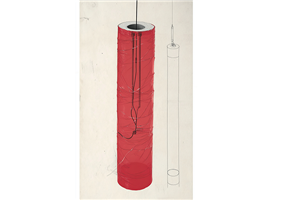
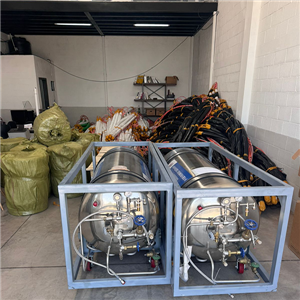
The core principle is rapid volume expansion during a phase-change process. Liquid oxygen is stored and delivered through purpose-designed equipment, including storage systems, supply lines, rock-splitting units, control components, and ignition-related equipment. When the system is activated according to the approved operating procedure, the working medium produces high-pressure gas expansion inside the borehole.
This internal pressure acts on the borehole wall and creates tensile stress in the surrounding rock. Because rock is generally much weaker in tension than in compression, cracks can develop from the borehole and propagate through the rock mass. The final fragmentation result depends on borehole design, rock strength, joints, free-face conditions, hole depth, spacing, loading condition, and project execution.
Differences from Conventional Explosive Blasting
Conventional blasting generally relies on high-speed chemical detonation and is subject to strict controls over explosives, detonators, storage, transport, and use. Gas-based rock breaking uses a different energy-release method and may be considered for projects seeking controlled fragmentation and lower disturbance.
However, equipment using liquid oxygen, pressure systems, electrical initiation, or other controlled energy components still requires rigorous safety management. Local legal requirements for liquid oxygen, transport, storage, pressure equipment, mining activity, and controlled rock breaking must always be confirmed with the appropriate authorities and project safety team.
Typical Application Areas
Yantai Gaea liquid oxygen gas blasting technology may be evaluated for:
Open-pit mining and quarry rock breaking
Tunnel excavation and controlled enlargement
Foundation and basement rock removal
Slope treatment and rock-cut projects
Road, railway, hydroelectric, and municipal infrastructure
Projects near vibration-sensitive or environmentally sensitive areas
The technology is particularly relevant where contractors need to manage vibration, flying-rock risk, noise, project logistics, or restrictions on conventional explosive blasting.
Engineering Design Matters
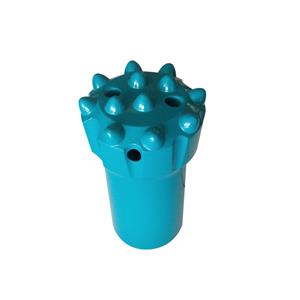
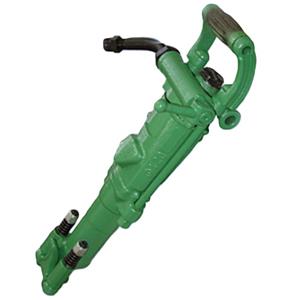
No rock-breaking system should use a single universal borehole layout. A project-specific plan must consider geological data, uniaxial compressive strength, fracture patterns, groundwater, target fragmentation, drilling equipment, production requirements, nearby structures, and safe stand-off distances.
A field trial is the most reliable way to validate the equipment configuration. The trial can confirm borehole spacing, hole depth, loading sequence, fragmentation size, secondary-breaking requirements, operating cycle, and cost per cubic metre.
Safety and Compliance
Yantai Gaea systems should be operated only by trained and authorized personnel. Site procedures should include equipment inspection, pressure-system checks, anti-static controls, exclusion zones, communication protocols, emergency planning, evacuation arrangements, and post-operation inspection.
The value of liquid oxygen gas blasting lies in controlled application, not in universal claims. When the system is matched to the geology and operated under an approved engineering and safety plan, it can provide an alternative rock-breaking solution for suitable mining and infrastructure projects.